
Luchon–Bayonne 1910: the stage that invented high-mountain racing
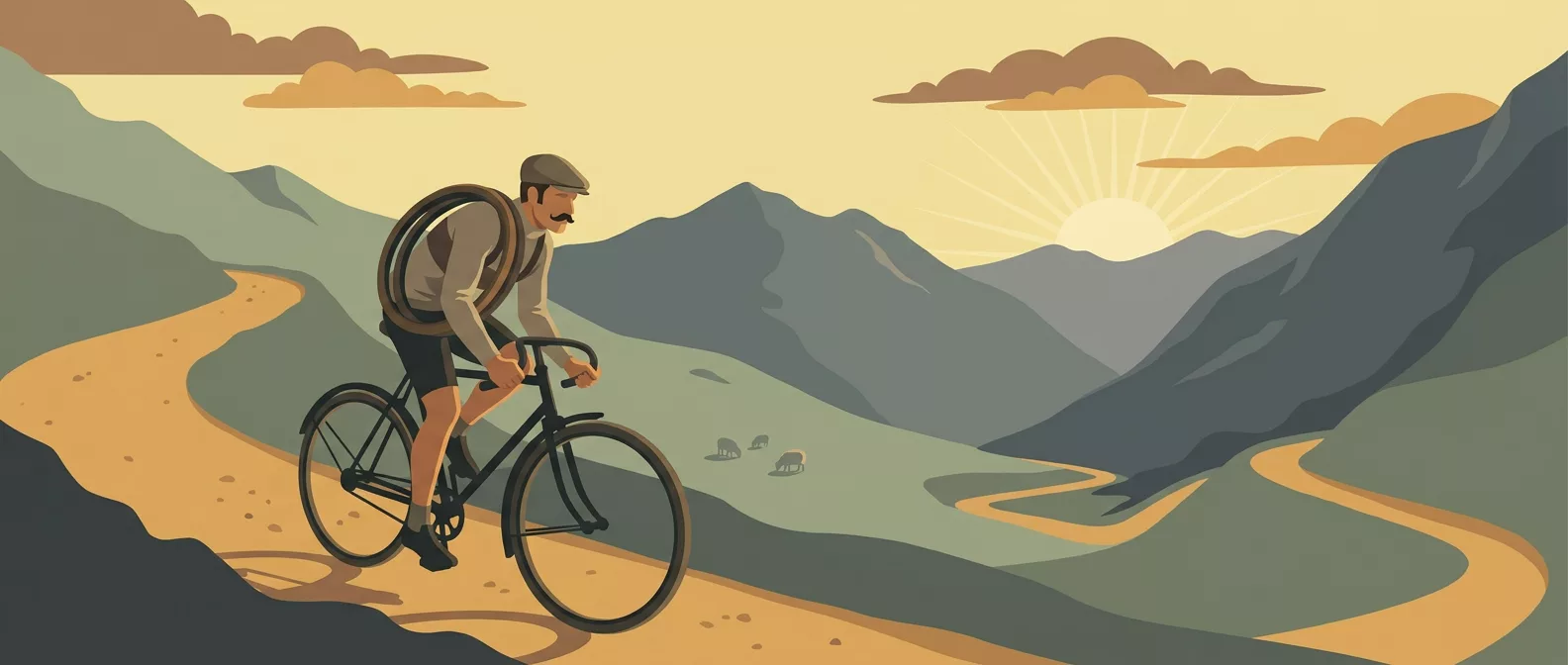
On 21 July 1910, at half past three in the morning, a handful of riders leave Luchon in the dark. Ahead of them: 326 km to Bayonne, six cols that nobody knows are even rideable, on roads that are still mule tracks. That day, the Tour de France invented high-mountain racing — and everything we love about this sport.
The mad bet of an over-enthusiastic deputy
 The idea did not come from Henri Desgrange, the Tour's boss, who at first judged it insane: it came
from his deputy Alphonse Steinès, convinced that the mountains would make the race's legend. Sent to
scout the Tourmalet in spring, Steinès abandoned his car in the snow,
carried on by foot at night, got lost, nearly died there — and, barely rescued, wired to Paris the
cheekiest telegram in cycling history: "Crossed Tourmalet. Very good road. Perfectly passable."
Desgrange believed him, or pretended to. The Pyrenees were on the route.
The idea did not come from Henri Desgrange, the Tour's boss, who at first judged it insane: it came
from his deputy Alphonse Steinès, convinced that the mountains would make the race's legend. Sent to
scout the Tourmalet in spring, Steinès abandoned his car in the snow,
carried on by foot at night, got lost, nearly died there — and, barely rescued, wired to Paris the
cheekiest telegram in cycling history: "Crossed Tourmalet. Very good road. Perfectly passable."
Desgrange believed him, or pretended to. The Pyrenees were on the route.
Start at 3:30 am, lanterns lit
The machines of 1910 weighed twice ours: fixed gear, no derailleur — to change gear you got off and flipped the rear wheel. Riders carried their spare tubulars slung across their shoulders and found their food in fountains and inns. The organisers, none too reassured, invented for the occasion a car tasked with picking up those who quit: the broom wagon was born, and it never left the race again.
The Circle of Death
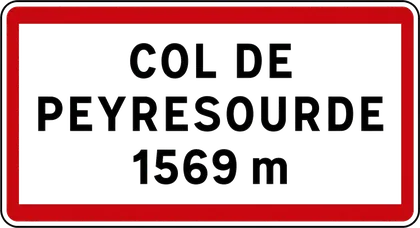
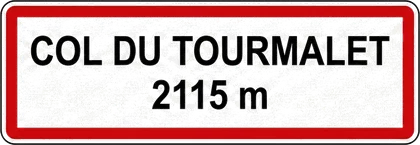
The press had christened the sequence Peyresourde, Aspin, Tourmalet, Aubisque with a nickname that says it all: the "Circle of Death". Octave Lapize, 25, led over the Peyresourde and then the Aspin. In the final hairpins of the Tourmalet, the gradient and the stones got the better of his machine: he crossed the roof of the stage on foot, bike in hand — still in the lead.
"You are murderers!"
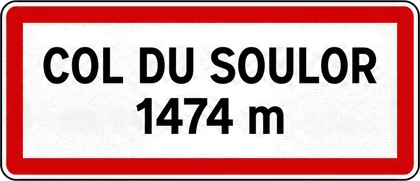 The worst was yet to come: the Soulor then the
Aubisque, on a road barely traced along the flank of the Cirque du Litor.
At the top of the Aubisque, the officials were waiting for Lapize: instead an unknown, François
Lafourcade, appeared first. Lapize arrived next, exhausted, pushing his bike, and threw at the
organisers the cry that entered legend: "You are murderers! Yes, murderers!" Then he got back
in the saddle.
The worst was yet to come: the Soulor then the
Aubisque, on a road barely traced along the flank of the Cirque du Litor.
At the top of the Aubisque, the officials were waiting for Lapize: instead an unknown, François
Lafourcade, appeared first. Lapize arrived next, exhausted, pushing his bike, and threw at the
organisers the cry that entered legend: "You are murderers! Yes, murderers!" Then he got back
in the saddle.
Fourteen hours of riding
Lapize caught Lafourcade on the descent, crested the Osquich — the last difficulty, almost a courtesy after what came before — and won in Bayonne after about fourteen hours of effort. Three weeks later he won the Tour in Paris. As for Desgrange, he had understood: the mountains would not kill the Tour, they had just crowned it. The Galibier followed as early as 1911.
Riding Luchon–Bayonne today
The six cols of 1910 are all on PyCol, with real profiles, summit weather and road status: Peyresourde, Aspin, Tourmalet, Soulor, Aubisque and Osquich. In stage order, count on about 200 km and 5,000 m of climbing from Luchon to the Basque foothills, plus the long valley run to Bayonne if you want the full route.
- The sensible version: the six cols spread over a long weekend, with lodgings in Arreau and Argelès-Gazost;
- The 1910 version: everything in a single day. That is the legendary "Luchon–Bayonne" achievement of the logbook (in French), detected via the Strava sync — lunch stop allowed, sleeping not;
- The warm-up: the "Circle of Death" achievement (Peyresourde, Aspin, Tourmalet and Aubisque in the same day), already reserved for the very strong.
 And if you crest the Aubisque without calling anyone a murderer, it means you had better gearing
than Octave. Safe riding!
And if you crest the Aubisque without calling anyone a murderer, it means you had better gearing
than Octave. Safe riding!