
Cycling cols of the Basque Country: the complete guide
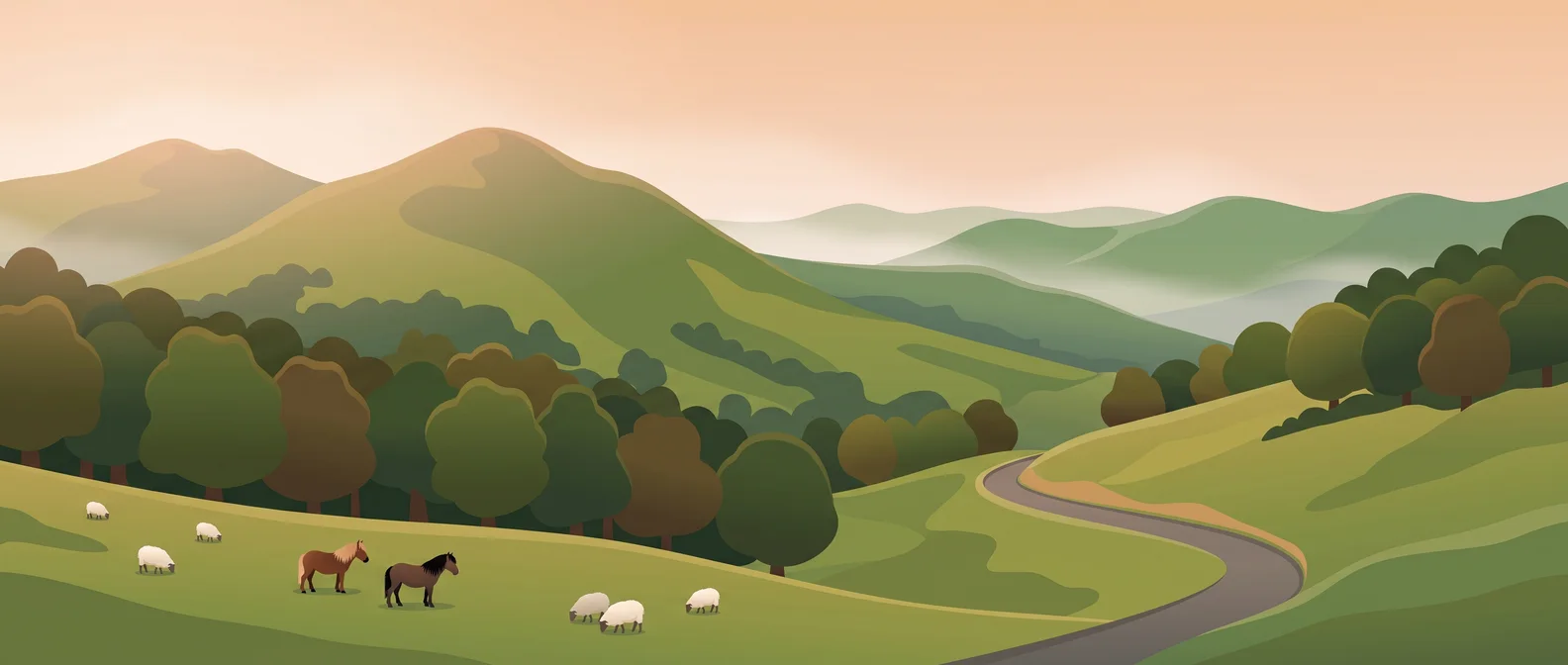
The Basque Country has no 2,000 m giants, yet it ranks among the most deceptive massifs in the Pyrenees: short climbs, never very high, but often unexpectedly brutal. You come for the mountain pastures, the vultures, the ocean glimpsed from some summits — and to be ambushed by a double-digit gradient you hadn't seen coming on paper.
The monster of the Soule: Port de Larrau
 12 km at 7.8%, up to 12.5% from Larrau, facing the Pic d'Orhy:
the hardest Basque col, the one where Indurain cracked in 1996. A pastoral desert, no shade at all, and
kilometres that never let up.
12 km at 7.8%, up to 12.5% from Larrau, facing the Pic d'Orhy:
the hardest Basque col, the one where Indurain cracked in 1996. A pastoral desert, no shade at all, and
kilometres that never let up.
Mont Artzamendi: the wall of the Labourd
10.8 km at 7.8% from Laxia (Itxassou), with ramps at 16% in the last 4 kilometres: one of the most violent climbs in France, yet topping out at just 926 m. The best proof that altitude says nothing about difficulty.
The must-rides of the massif
- Col Bagargui (Iraty): 11.7 km at 5.9% from Larrau, gateway to the Iraty forest and its pottok ponies;
- Col du Soudet: 11 km at 8.2% from Sainte-Engrâce, a discreet HC climb above the Kakouetta gorges;
- Col d'Aphanize: 16.2 km from Aussurucq via Ahusquy, long and wild;
- Col Burdincurutcheta: 8.1 km at 9.7% from Mendive, short and concentrated.
To get started: Osquich and Ispéguy
Col d'Osquich (6.6 km at 4.9%) and col d'Ispéguy (8.7 km at 4.3% on the south side, from Erratzu) are the ideal entry points: never steep, never long, with all the light of the inland Basque Country.
Good to know
 Basque roads are narrow and sometimes shared with livestock: slow down through the pastures. There
are few fountains at altitude in this massif: each climb's page shows the actual water points surveyed
along the route. The Basque Country rides all year round barring morning frost; the highest cols
(Larrau, Soudet) can close temporarily after a late snowfall.
Basque roads are narrow and sometimes shared with livestock: slow down through the pastures. There
are few fountains at altitude in this massif: each climb's page shows the actual water points surveyed
along the route. The Basque Country rides all year round barring morning frost; the highest cols
(Larrau, Soudet) can close temporarily after a late snowfall.